


Let's Be Careful Out There
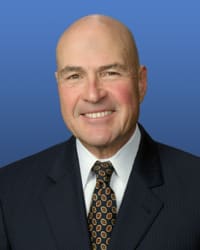
Victor Rotolo has gone from making police busts to courtroom arguments
Published in 2008 New Jersey Super Lawyers magazine
By Brian Voerding on March 17, 2008
For many lawyers, the greatest terror they face is the bar exam. Not Victor Rotolo. He knows about real fear.
For two years he served as a police officer in his hometown of Elizabeth. He’d come across dealers selling in the open air, armed thugs shooting at each other (and sometimes hitting their targets), bar fights spilling onto the sidewalks. Behind closed doors, he’d discover men beating their wives and robbers looting homes. It wasn’t for the faint of heart.
“There were plenty of times where what was unfolding before me I had no idea even happened in the city,” he says. “Some very violent experiences.There wasn’t much in the nature of traffic tickets.”
Rotolo returned home each night with a deeper understanding of the people he met who couldn’t defend themselves. He saw his life’s mission to protect them, and began to think he could do it in a different way.
He enrolled in law school at Seton Hall, and upon graduating, spent a few years working for a small trial-oriented firm before opening his own practice in 1987. He found that everything he learned as an officer could be put to good use as a lawyer. Preparation. Honesty. Directness. And the lightning-quick ability to size up clients and opponents.
Rotolo, now 52, is one of the top trial lawyers in the state and has never looked back. “There are things that happen in trial that don’t happen anywhere else in life,” he says. “There are emotional moments, instances that happen in the courtroom that you can’t experience anywhere else. And there’s nothing like having an adversary who’s fighting you hard and watching the system work because the advocacy system is one where truth comes forth.”
People need him to get to that truth. Just like they did on the streets of Elizabeth.
Search attorney feature articles
Featured lawyers
Helpful links
Other featured articles

Laura Mattiacci stands up for employees and leads the way for mothers in the law

Suzanne Bish’s record-breaking, decade-taking race discrimination case

Antitrust litigator Joseph Saveri pushes defendants to the brink
Find top lawyers with confidence
The Super Lawyers patented selection process is peer influenced and research driven, selecting the top 5% of attorneys to the Super Lawyers lists each year. We know lawyers and make it easy to connect with them.
Find a lawyer near you