


The Long View
Candace French on protecting Navajo Nation water rights for the future
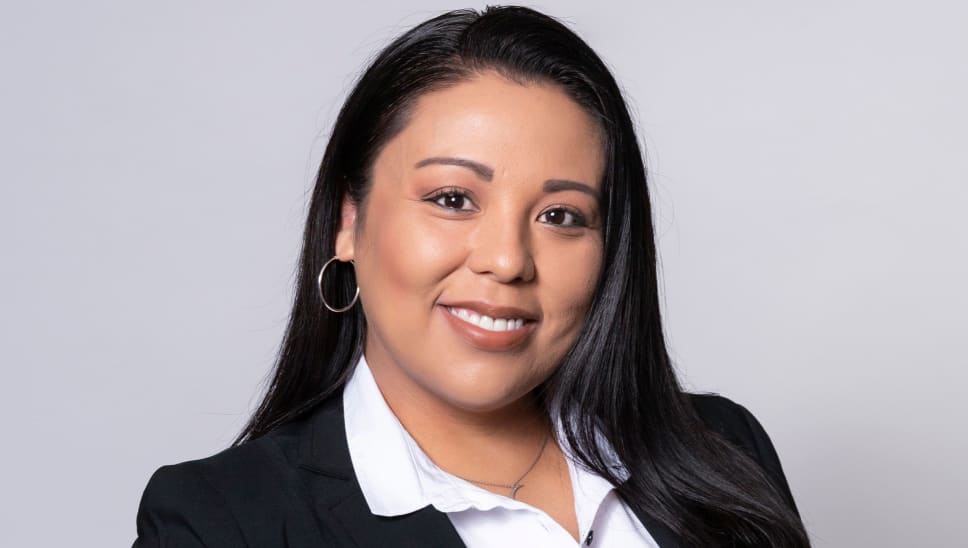
Published in 2026 Southwest Super Lawyers magazine
By Emma Way on April 10, 2026
The case Candace French is most proud of started before she was born, and its legacy will shape tribal nations’ access to water for generations to come.
“I fought for water they’re going to drink in 100 years and beyond,” says French, who practices at Sacks Tierney in Scottsdale. She’s been central to the Navajo Nation’s water rights efforts in Arizona’s Little Colorado River Basin, a sweeping, decades-long legal battle over one of the most essential resources in the Southwest.
For the Navajo and other tribal nations that depend on the river system, the case carried especially high stakes: Water rights shape whether communities can grow, build homes and schools, support economic development, water the grass where children play, and on and on.
“Tó éí ííńá,” French says in the Navajo language. “Water is life.”


The case was a rare one. “Indian tribes rarely litigate their water rights because it’s so uncertain. State courts aren’t always friendly to Indian tribes so they usually settle,” French says. “There’s just not a lot of case law on it.”
As part of their case, French and her team brought over 40 Navajo witnesses to paint a picture of their lives today and their hopes for the future. “Not one of them said, ‘I want to continue to haul water,’” she recalls. “All of them said, ‘I want my children to be able to turn on a faucet and water comes out.’”
Now the landmark settlement awaits congressional approval and funding—a final step that would turn decades of legal claims into the water infrastructure and accessibility communities have long fought for.
French grew up in Anadarko, a small city in southwest Oklahoma that’s home to the headquarters of seven tribes, including the Wichita and Affiliated Tribes of which she and her son are enrolled members. Every August, they travel home for the tribe’s annual dance. Later in her childhood, her family moved to her mother’s home state of New Mexico where she was introduced to her Navajo heritage.
“Coming from those two cultures really shaped me to question why,” French says, remembering the many questions she’d ask as a child: “Why are we on this small piece of land when our traditional territories are from central Kansas all the way to Central Texas? Why do we commemorate this thing we call ‘The Long Walk?’
“Both of my heritages have traumatic injustices that made me ask, ‘How did we get here and what do I have to do as an individual to make sure this never happens to our people again?’”
As French got older and learned more about the injustices facing Indigenous people, she began to envision a career in justice. In high school, she sketched out her 10-year plan with a pink gel pen. She saw herself graduating from Arizona State University law school, which is known for its top-ranked Indian Legal Program. After her 2017 graduation, she found that note she scribbled to herself and beamed.

French believes it was her destiny to become an attorney and work on cases that advance tribal sovereignty like the Navajo water rights litigation.
She remembers one day as an intern in Washington, D.C., when she toured the National Archives vaults. She saw the well-known Choctaw treaty and Louisiana Purchase documents, but also sought out something with personal meaning—the Navajo Treaty of 1868, the document that brought the Navajo people home to their ancestral lands in the four corners of Arizona, Utah, New Mexico and Colorado, and continues to govern the tribe’s rights today.
She gets emotional thinking about the significance of that moment. “That treaty that was in my hands was the center of the water rights litigation,” French says. “It was an indication of my destiny.”
Practicing Native American law today requires French to operate as a sort of specialized generalist. “You have to know a little bit about a lot of things,” French says. “There is no one-size-fits-all approach for all Indian tribes. They’re all unique. They all have histories, challenges and traumas you need to understand.”
Because French was raised at the intersection of many tribes, she’s equipped to handle those complexities better than most. “I know Indian country because I come from Indian country,” she says.
Search attorney feature articles
Featured lawyers

Helpful links
Other featured articles

Why Andrew Dansicker takes cases others won’t

Joe Rose went from firefighter and medic to repping them

As Jesse Creed was preparing to argue on the Maui wildfires, his home in the Palisades was destroyed
Find top lawyers with confidence
The Super Lawyers patented selection process is peer influenced and research driven, selecting the top 5% of attorneys to the Super Lawyers lists each year. We know lawyers and make it easy to connect with them.
Find a lawyer near you