


The Rules to Legally Prescribing Medical Marijuana and CBD
By Super Lawyers staff | Reviewed by John Devendorf, Esq. | Last updated on February 25, 2026Patients with a variety of medical conditions find pain relief and other medical benefits from using marijuana. Most states now allow qualifying patients to access marijuana for medical purposes. However, marijuana remains illegal under federal law.
Every state takes a different approach to medical cannabis programs. This includes who qualifies, possession amounts, and whether they can grow marijuana plants. To understand your state’s medical cannabis laws, talk to a local cannabis law attorney.
State vs. Federal Medical Marijuana Laws
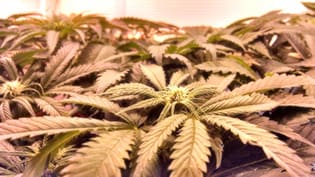
California was the first state to pass a compassionate use law for medical marijuana in 1996. Since then, more states have approved medical cannabis for therapeutic uses.
As of early 2026, 39 states and the District of Columbia have legalized medical marijuana. The remaining states without medical cannabis laws may introduce legalization in the future.
The federal government has not legalized marijuana for medical or recreational use. Marijuana remains a Schedule I substance under the Controlled Substances Act. This is the same category as heroin and LSD. However, the Food and Drug Administration (FDA) has recommended that the U.S. Drug Enforcement Administration (DEA) reclassify cannabis under federal law.

Thinking of Opening a Cannabis Business?
Cannabis laws are constantly changing. You can find the top cannabis lawyers in the Super Lawyers directory to help your business stay compliant.
State-by-State Medical Marijuana Laws
The following table provides an overview of state medical marijuana laws.
Note that some states passed medical marijuana laws but did not implement the programs (or allow dispensaries) until later. Some states also have reciprocity agreements with other states for patients with a valid medicinal use license. Some states have very limited medical marijuana access, allowing only for medical CBD and low-THC use.
| State | Medical Marijuana Program | Year Passed | Qualifying Healthcare Providers | Home Grow |
| Alabama | Yes | 2021 | MD/DO | No |
| Alaska | Yes | 1998 | MD/DO/NP/PA | 6 plants |
| Arizona | Yes | 2010 | MD/DO/NP/Naturopath | 12 plants |
| Arkansas | Yes | 2016 | MD/DO | No |
| California | Yes | 1996 | MD/DO/NP/PA | Amount necessary |
| Colorado | Yes | 2000 | MD/DO/NP/PA | 6 plants |
| Connecticut | Yes | 2012 | MD/DO/NP/PA/APRN | 6 plants |
| Delaware | Yes | 2011 | MD/DO/NP/PA | No |
| Florida | Yes | 2016 | MD/DO | No |
| Georgia | Low-THC only (5%) | 2015 | MD/DO | No |
| Hawaii | Yes | 2000 | MD/DO/NP/APRN | 10 plants |
| Idaho | No | – | – | No |
| Illinois | Yes | 2013 | MD/DO/NP/PA | 5 plants |
| Indiana | CBD only (0.3%) | 2017 | MD/DO | No |
| Iowa | Low-THC only (0.3%) | 2014 | MD/DO/NP/PA | No |
| Kansas | Low-THC only (5%) affirmative defense | 2019 | – | No |
| Kentucky | Yes | 2023 | MD/DO | No |
| Louisiana | Yes | 2015 | MD/DO | No |
| Maine | Yes | 1999 | MD/DO/NP/PA | 6 plants |
| Maryland | Yes | 2013 | MD/DO/NP/PA/Dentist/Podiatrist | 4 plants |
| Massachusetts | Yes | 2012 | MD/DO/NP | 6 plants |
| Michigan | Yes | 2008 | MD/DO | 12 plants |
| Minnesota | Yes | 2014 | MD/DO/NP/PA | 8 plants |
| Mississippi | Yes | 2022 | MD/DO/NP/PA | No |
| Missouri | Yes | 2018 | MD/DO | 18 plants |
| Montana | Yes | 2004 | MD/DO/NP/PA | 4 plants |
| Nebraska | Yes | 2024 | MD/DO/NP/PA | No |
| Nevada | Yes | 2000 | MD/DO/NP/PA | 6 plants |
| New Hampshire | Yes | 2013 | MD/DO/NP/PA | No |
| New Jersey | Yes | 2010 | MD/DO/NP/PA | No |
| New Mexico | Yes | 2007 | MD/DO/NP/PA | 12 plants |
| New York | Yes | 2014 | MD/DO/NP/PA/Dentist/Podiatrist | 6 plants |
| North Carolina | CBD only (at least 5% CBD and under 0.9% THC) | 2014 | MD/DO | No |
| North Dakota | Yes | 2016 | MD/DO/NP/PA | No |
| Ohio | Yes | 2016 | MD/DO | 6 plants |
| Oklahoma | Yes | 2018 | MD/DO | 12 plants |
| Oregon | Yes | 1998 | MD/DO/NP/PA/CRNA/Naturopath | 6 plants |
| Pennsylvania | Yes | 2016 | MD/DO | No |
| Rhode Island | Yes | 2006 | MD/DO/NP | 6 plants |
| South Carolina | CBD only (at least 15% CBD and under 0.9% THC) | 2014 | MD/DO | No |
| South Dakota | Yes | 2020 | MD/DO/NP/PA | 4 plants |
| Tennessee | CBD only (0.9%) | 2014 | MD/DO | No |
| Texas | Yes | 2025 | MD/DO | No |
| Utah | Yes | 2018 | MD/DO/NP/PA/Podiatrist | No |
| Vermont | Yes | 2004 | MD/DO/NP/PA | 6 plants |
| Virginia | Yes | 2020 | MD/DO/NP/PA | 4 plants |
| Washington | Yes | 1998 | MD/DO/NP/PA/Naturopath | 6 plants |
| West Virginia | Yes | 2017 | MD/DO | No |
| Wisconsin | CBD only | 2014 | MD/DO | No |
| Wyoming | CBD only (at least 5% CBD and under 0.3% THC) | 2015 | – | No |
| Washington D.C. | Yes | 1998 | MD/DO/Naturopath/Dentist | 6 plants |
Defining a Qualifying Medical Condition
To be eligible to receive cannabis products for medical use, a patient must have a qualifying medical condition.
The qualifying conditions and approval process vary by state. In most states, a patient must be 18 years old or older to apply. Other states require patients to be 21 years old or older. In some states, a minor can qualify with parent and physician approval.
Most states require a licensed healthcare provider to certify a qualifying condition. However, some states, like Florida and New York, allow physicians to recommend the medical use of cannabis for any condition.
Notable examples of conditions that qualify under medical marijuana laws include:
- Cancer
- HIV/AIDS
- Epilepsy and seizure disorders
- Glaucoma
- Amyotrophic lateral sclerosis (ALS)
- Multiple sclerosis
- Chronic pain conditions
- Terminal illness
Prescribing Physicians and Healthcare Providers
Different states have different healthcare providers who can recommend the use of marijuana. States like Florida require basic educational requirements, including an unrestricted medical license, training course, and examination. Some states disqualify physicians with a financial interest in the marijuana industry.
All states with medical marijuana programs allow Doctors of Medicine (MDs) and Doctors of Osteopathic Medicine (DOs) to recommend marijuana. Other states also allow Physician Assistants (PAs) and Nurse Practitioners (NPs) to qualify patients.
Growing Cannabis Plants
About half of the states that have medical cannabis programs allow patients to grow their own cannabis. State laws vary in the number of plants.
There are often restrictions on where people can grow marijuana and the number of mature and flowering plants, with some states requiring a permit to grow at home.
CBD and Cannabinoids
Marijuana is made up of multiple compounds, primarily cannabidiol (CBD), delta-9-tetrahydrocannabinol (THC), and cannabinol (CBN).
THC has psychoactive effects that people associate with getting high on marijuana. CBD is a non-intoxicating compound that may have potential therapeutic treatment options, including for patients with seizures and epilepsy.
CBD is legal in most states, with low-THC (less than 0.3 percent) CBD legal under federal law. However, some states still have strict limitations on CBD and other cannabinoids.
Legal Help With State Medical Marijuana Programs
If you are having difficulty finding access or qualifying for medical cannabis, an attorney can help. For questions about medical marijuana use in your state, talk to an experienced cannabis law attorney.
What do I do next?
Enter your location below to get connected with a qualified attorney today.Additional Cannabis Law articles
State Cannabis Law articles
At Super Lawyers, we know legal issues can be stressful and confusing. We are committed to providing you with reliable legal information in a way that is easy to understand. Our legal resources pages are created by experienced attorney writers and writers that specialize in legal content in consultation with the top attorneys that make our Super Lawyers lists. We strive to present information in a neutral and unbiased way, so that you can make informed decisions based on your legal circumstances.
Attorney directory searches
Helpful links
Find top lawyers with confidence
The Super Lawyers patented selection process is peer influenced and research driven, selecting the top 5% of attorneys to the Super Lawyers lists each year. We know lawyers and make it easy to connect with them.
Find a lawyer near you