


Liability for Serving Alcohol at a Party
By Judy Malmon, J.D. | Reviewed by John Devendorf, Esq. | Last updated on February 10, 2026 Featuring practical insights from contributing attorney Robert G. WaltonIf you’re planning to host a party and providing alcohol, be aware of state social host laws aimed at preventing underage drinking. In some states, homeowners are liable for damage caused by an underage person who consumes alcohol at a party when the host knew or should have known they were drinking.
Serving alcohol to underage guests can expose you to legal liability for drunk driving, car accident, and property damage. Social host liability laws vary by state. For legal advice about your liability for drunk guests, talk to a local drug and alcohol violation lawyer.
Understanding Social Host Liability Risks
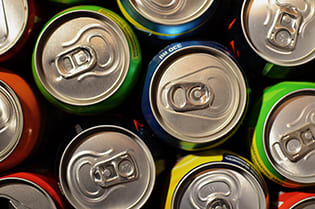
Many states have social host liability laws, which hold the host liable for accidents caused by intoxicated guests. These laws are similar to state dram shop laws, where bars or restaurants are liable for accidents caused by serving intoxicated guests.
More than half of all states have social host liability laws for civil damages caused by underage drinkers. States also impose criminal liability for serving or hosting underage drinkers.
Ohio criminal defense attorney Robert Walton describes a typical scenario involving these laws: An 18-year-old is home from college and wants to host a holiday party with friends at their parents’ home. The parents give the OK, knowing that drinking will likely occur with people under the legal drinking age. Wanting to keep everyone safe, they say no one can leave the house. However, providing alcohol or knowing it’s there can give rise to criminal and civil liquor liability under state law.
But say the parents allow the young adults to hang out, yet don’t approve drinking in the house. Some other friends come by with alcohol in their backpacks, and the parents don’t know anything until they come down to the basement to check in and find beer cans.
“Even if the parent didn’t furnish the beer, the parent can be responsible once they’re aware,” says Walton. “The standard is that they know that a person under 21 is possessing or consuming, and they allow the kid to remain on the premises.”
If the parents allow an underage drinker to remain on their property, they can be liable. But sending away an intoxicated guest is dangerous, especially without a designated driver.

Arrested for a Drug Crime? Protect Your Rights!
A drug crime conviction can mean serious penalties. Find a top criminal defense attorney in the Super Lawyers directory today to protect you.
What To Do if You’re Hosting a Party with Alcohol
For the person hosting a party and serving alcohol, Walton suggests a couple of options:
- I’d call a parent, if there was one to call, have them come and get their kid
- If no parents are available, I would demand that the kids all give up their car keys and confiscate all of the alcohol. That way, you have some ability to show that you didn’t allow them to remain on the premises with possession of alcohol.
Even if the parent didn’t furnish the beer, the parent can be held criminally responsible once they’re aware. The standard is that they know that a person under 21 is possessing or consuming and they allow the kid to remain on the premises.
Social Host Liability Laws
Criminal charges in a social-host situation include furnishing alcohol and knowingly allowing underage drinking, both potential misdemeanors. In many states, people can face criminal charges for furnishing alcohol to underage drinkers. Penalties include fines and possible jail time.
Civil liability can be much more costly. Hosts can be responsible for injuries or the consequences of drunk driving. Injury victims could file a civil lawsuit against the social host for providing alcohol to an underage person or allowing them to drive.
Say the parents have discovered that underage drinking is happening in their house, and make the drinking friend leave. “The friend gets in his car and a mile down the road, he hits a bus full of nuns. The Ohio Supreme Court has ruled that social hosts can be liable for injuries caused by an intoxicated underage driver to a third party if the host furnished the alcohol to the minor,” says Walton.
What’s more, you could be liable for bodily injuries an intoxicated person causes to themselves. The injured person can sue the party host in some cases.
“Typically, a drunk person can’t benefit from their stupidity by suing the person who allowed him to get intoxicated,” Walton says. “But a social host can be responsible for injuries suffered by an intoxicated underage drinker if the injuries occurred as a result of the intoxication, whether on or off the host’s premises. A host could be liable even where the kid essentially caused their own personal injury.”
Social Host Criminal Liability by State
Criminal liability for social hosts varies by state. Liability can depend on whether the host knew about the alcohol, recklessly allowed possession, or took some overt act to support underage consumption. The criminal penalties can increase if the underage guest caused serious injury or a fatal accident.
The following is a table of states with criminal liability for hosting an event with underage drinking.
Liability can depend on the individual situation. Talk to a local attorney for legal advice on your potential liability for hosting parties and serving alcohol.
Get Help From an Experienced Attorney
You have responsibilities as a social host serving alcohol with underage guests. Try to be a responsible host and offer safe transportation for guests. Serve food and offer non-alcoholic beverages as an alternative to drinking. Have a sober guest act as a designated driver. If guests are showing signs of intoxication, use a rideshare service, like Lyft or Uber, to get them home safely.
If you have questions regarding social host liability, talk to an experienced drug and alcohol violation lawyer.
What do I do next?
Enter your location below to get connected with a qualified attorney today.Additional Drug & Alcohol Violations articles
State Drug & Alcohol Violations articles
Related topics
At Super Lawyers, we know legal issues can be stressful and confusing. We are committed to providing you with reliable legal information in a way that is easy to understand. Our legal resources pages are created by experienced attorney writers and writers that specialize in legal content in consultation with the top attorneys that make our Super Lawyers lists. We strive to present information in a neutral and unbiased way, so that you can make informed decisions based on your legal circumstances.
Attorney directory searches
Helpful links
Find top lawyers with confidence
The Super Lawyers patented selection process is peer influenced and research driven, selecting the top 5% of attorneys to the Super Lawyers lists each year. We know lawyers and make it easy to connect with them.
Find a lawyer near you